Skip to content
Topic13 entries

Maintenance

Inspection schedules, engine care, and the workshop procedures that keep a kart reliable.

Choose where to start

Start with the recurring routine, then open the guide for the system or handover task in front of you. Each page keeps product-specific values and permissions with the documents that control them.

Build the routine

Create the schedule, then use the before- and after-session checks to keep it current.

  1. Updated September 3, 202612 min read

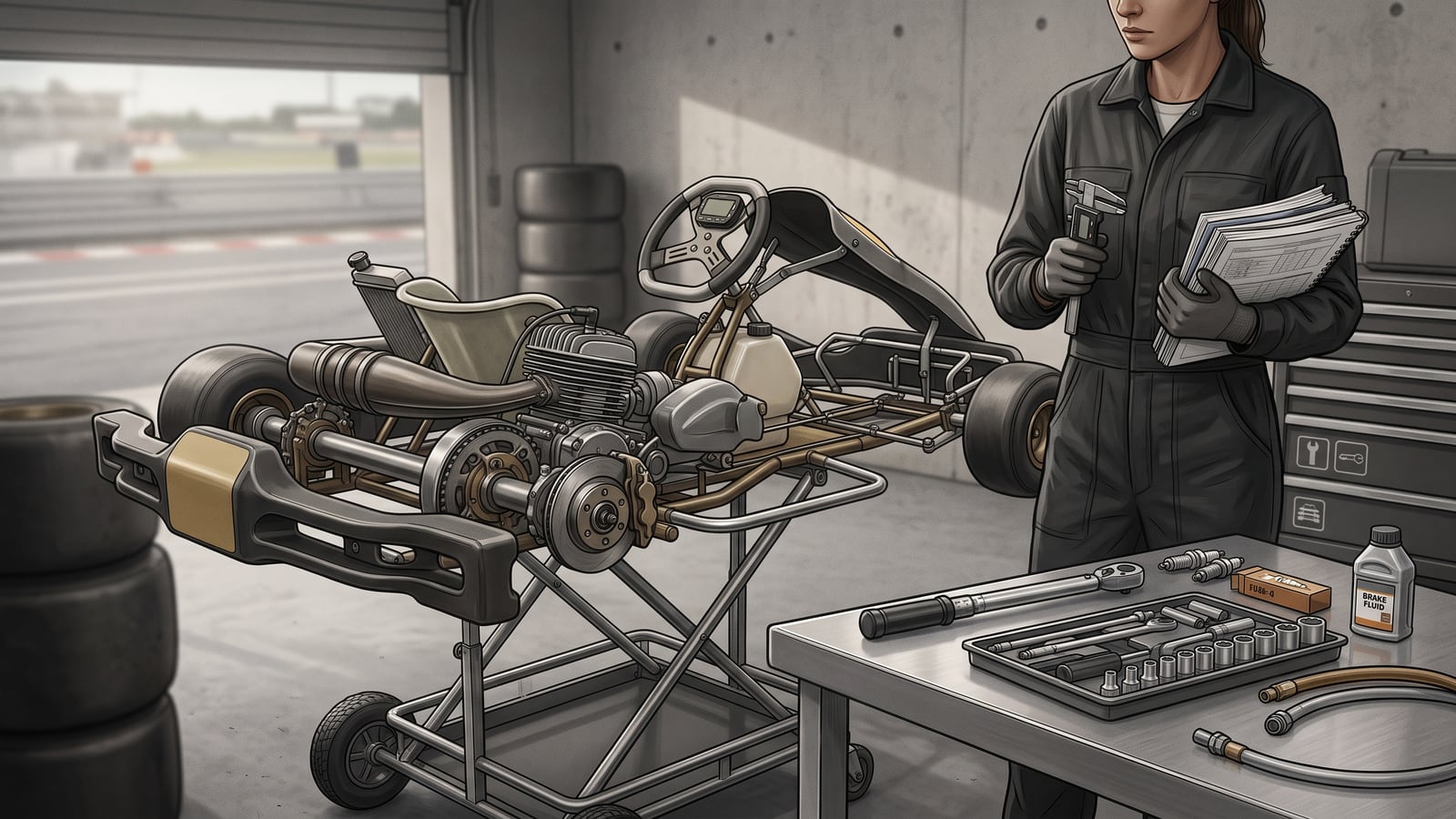
    Kart maintenance schedule: build one from the documents that apply

    Owner-drivers can organize kart maintenance under four sorting headings without inventing universal service intervals. This guide shows how to translate manufacturer manuals and applicable rules into a record that keeps every source-defined trigger, responsibility, and completion note intact, with a copyable template and a fully worked fictional example.

  2. Updated August 13, 20269 min read

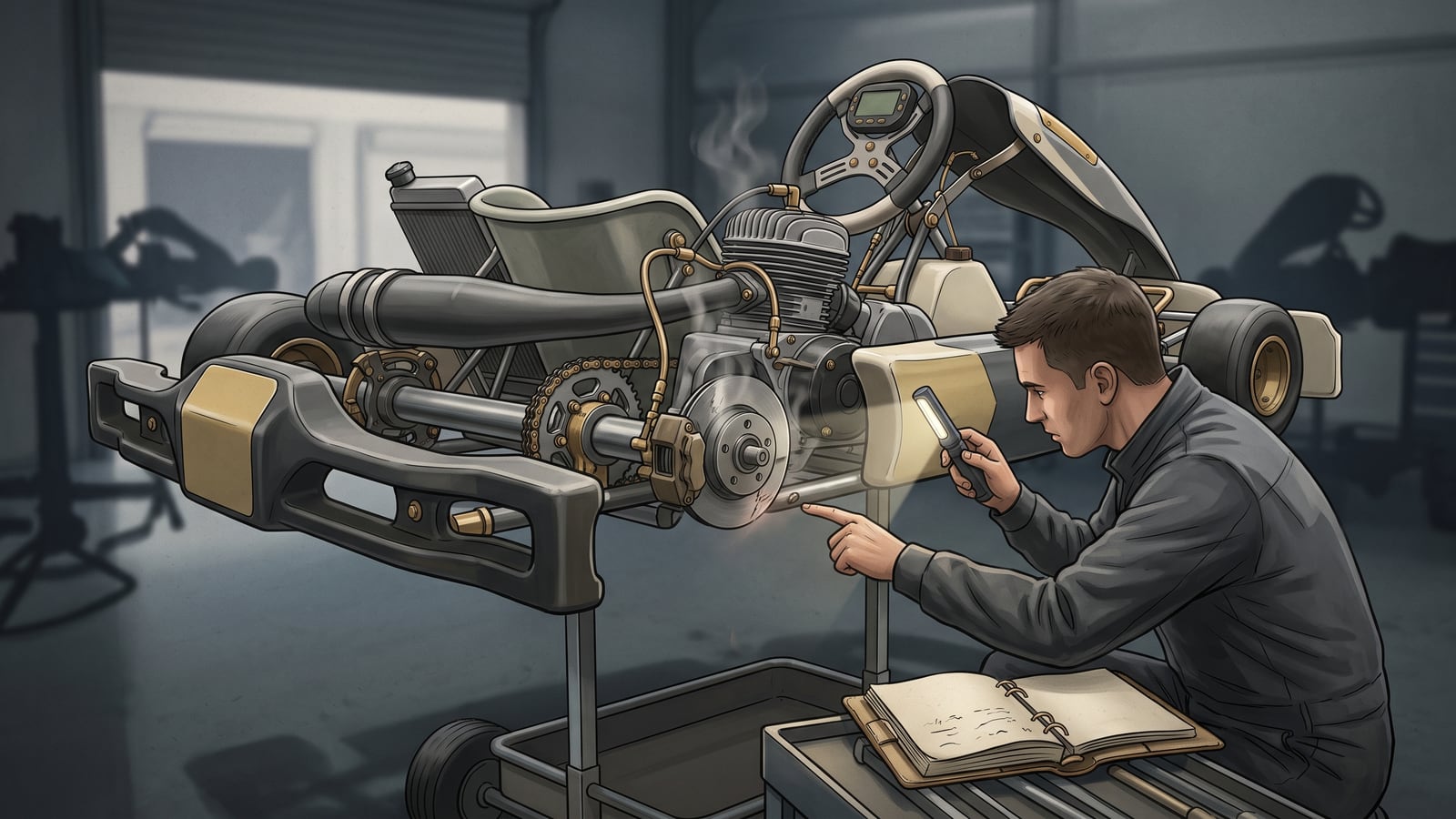
    Post-session kart inspection: a six-stage look-only checklist

    An owner-driver post-session routine built around observation rather than diagnosis: six ordered look-only stages, a five-field handover log, and clear boundaries for where the record stops and a responsible person, manufacturer, or event authority takes over.

Follow the system

Choose the component you are inspecting or servicing and follow its applicable documents.

  1. Updated August 23, 202612 min read

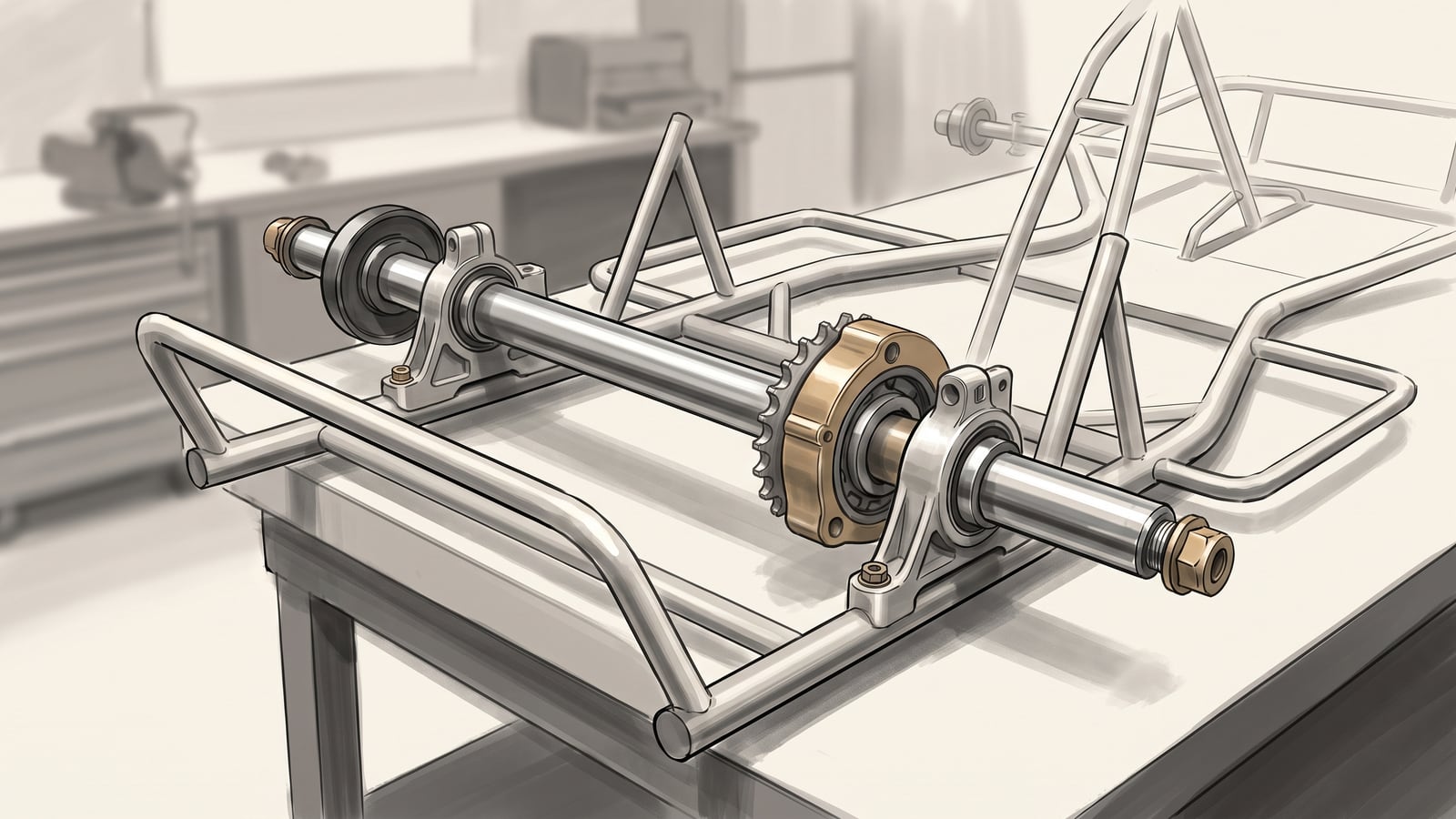
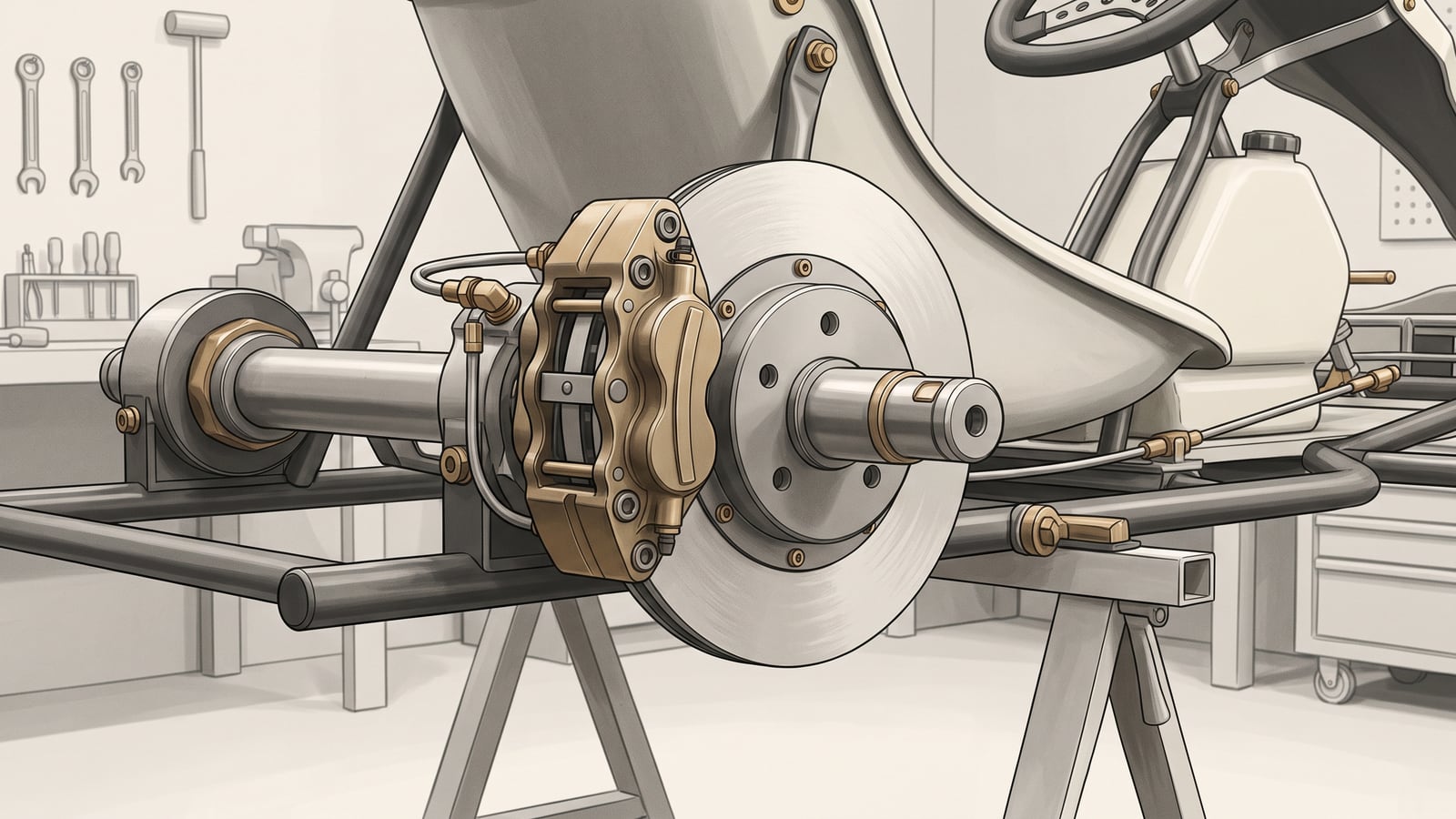
    Rear-End Drag on a Kart: Decide What to Inspect Next

    Rear-end drag on a solid-axle kart has several possible sources. This guide walks through a brake-first inspection order, a copyable observation record with three worked cases, and the point where the job needs exact product documentation or a competent kart professional.

  2. Updated August 16, 202612 min read

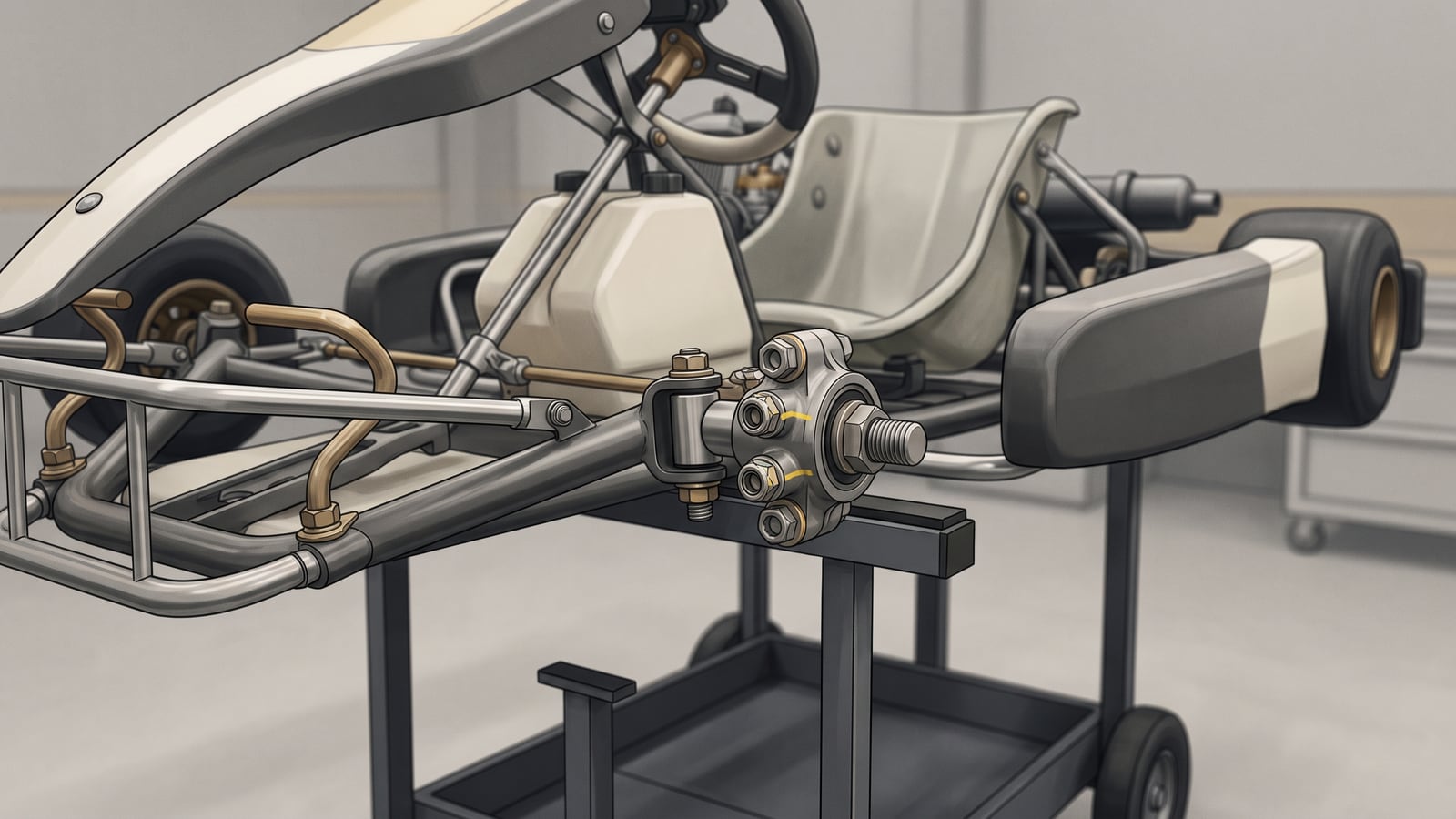
    Kart Brake Service: Identify the System Before You Choose a Procedure

    A manufacturer name on a brake manual doesn't prove the manual applies to your kart. This guide walks owner-drivers through identifying the installed brake system, matching it to current manufacturer documentation, and choosing a bounded next step: proceed with matched instructions, pause for clarification, or keep the kart off track for inspection.

  3. Updated August 16, 202610 min read

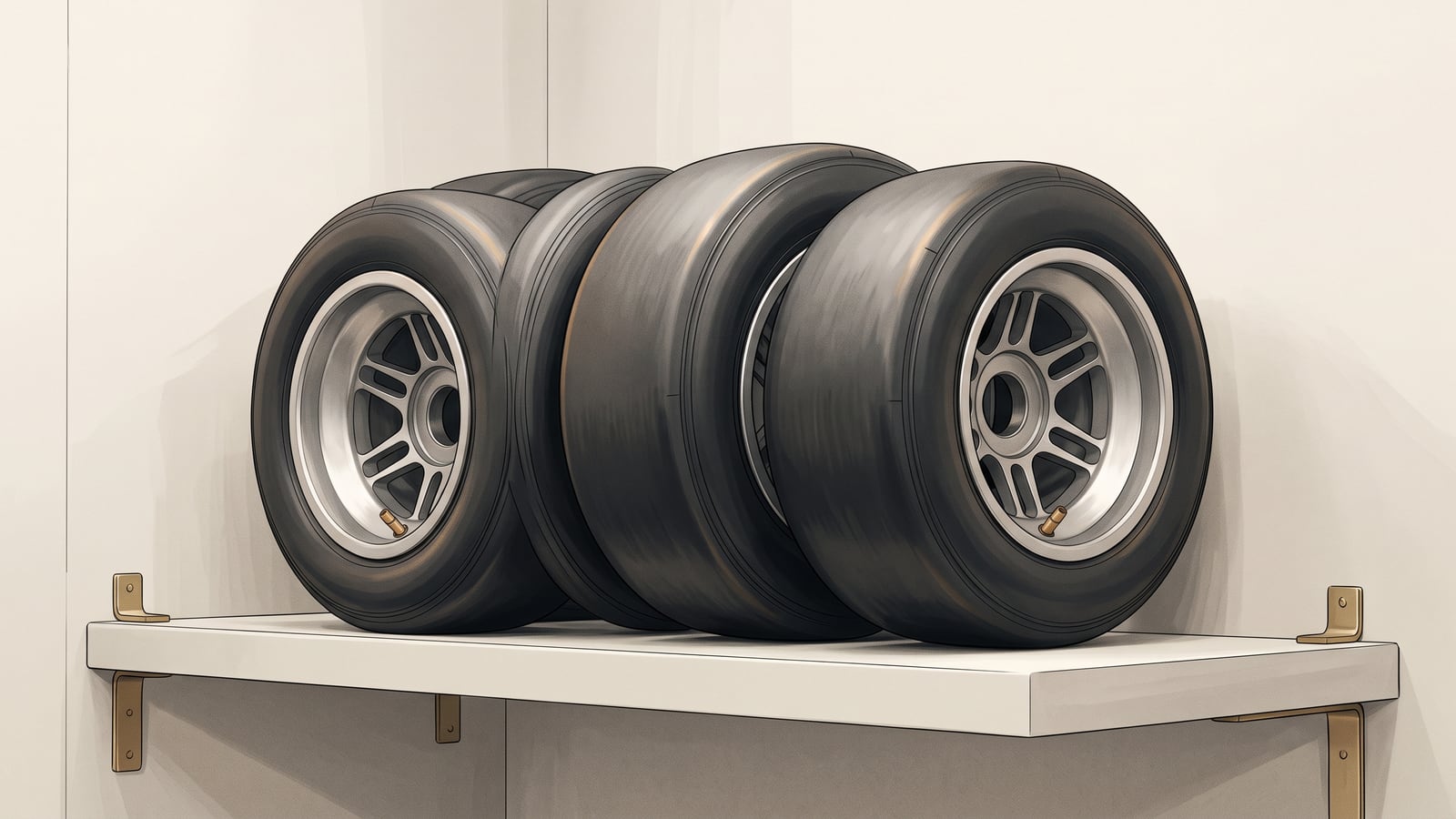
    Kart Tire Mounting and Storage: What to Verify Before You Start

    The inspected evidence doesn't support a single kart-tire mounting sequence, pressure, or storage rule. This article gives owner-drivers a compact checklist to verify the tire, rim, equipment, and event rules before mounting, plus a bounded decision aid for care, storage, and retirement.

Engines and induction

Open the guide that matches the engine or fuel system fitted to the kart.

  1. Updated August 23, 202615 min read

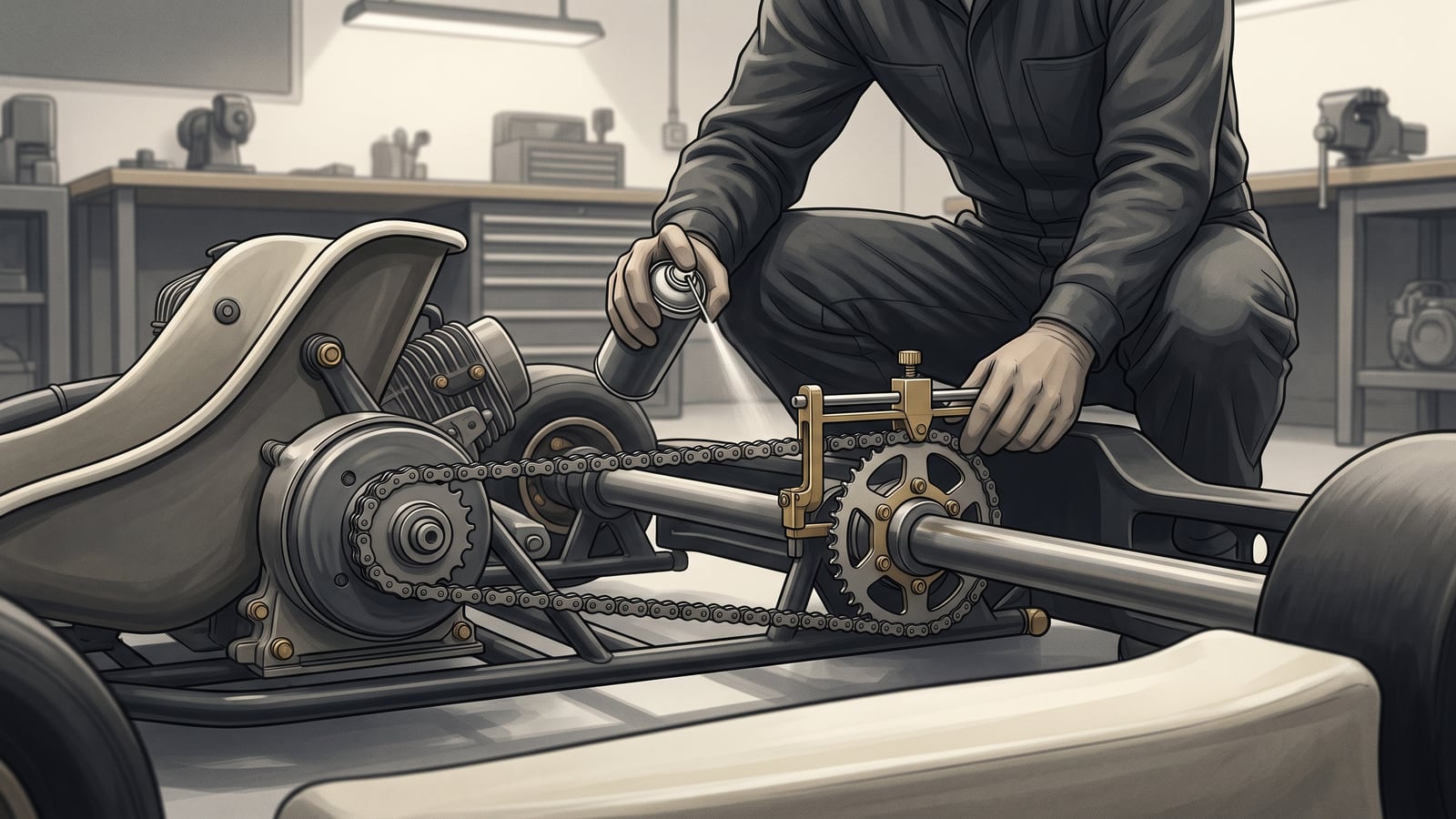
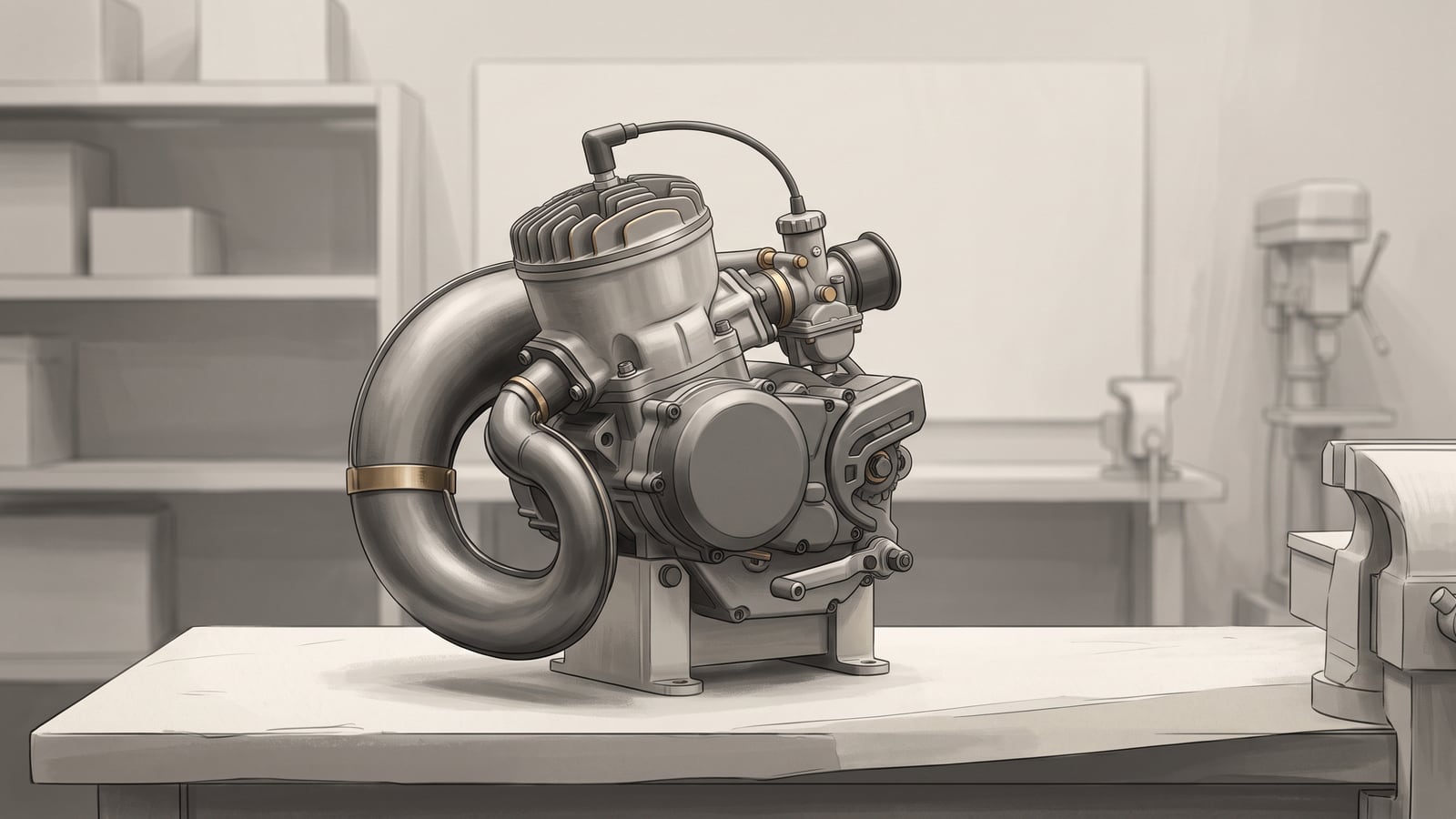
    Build a Two-Stroke Kart Engine Maintenance Routine From the Right Documents

    Owner-drivers, parents, hobbyists, mechanics, and new team members can use this method to build a document-derived maintenance record for a two-stroke kart engine, with a copyable template, a fictional worked example, and clear hand-off rules — without borrowing intervals or specifications from another engine.

  2. Updated August 16, 202612 min read

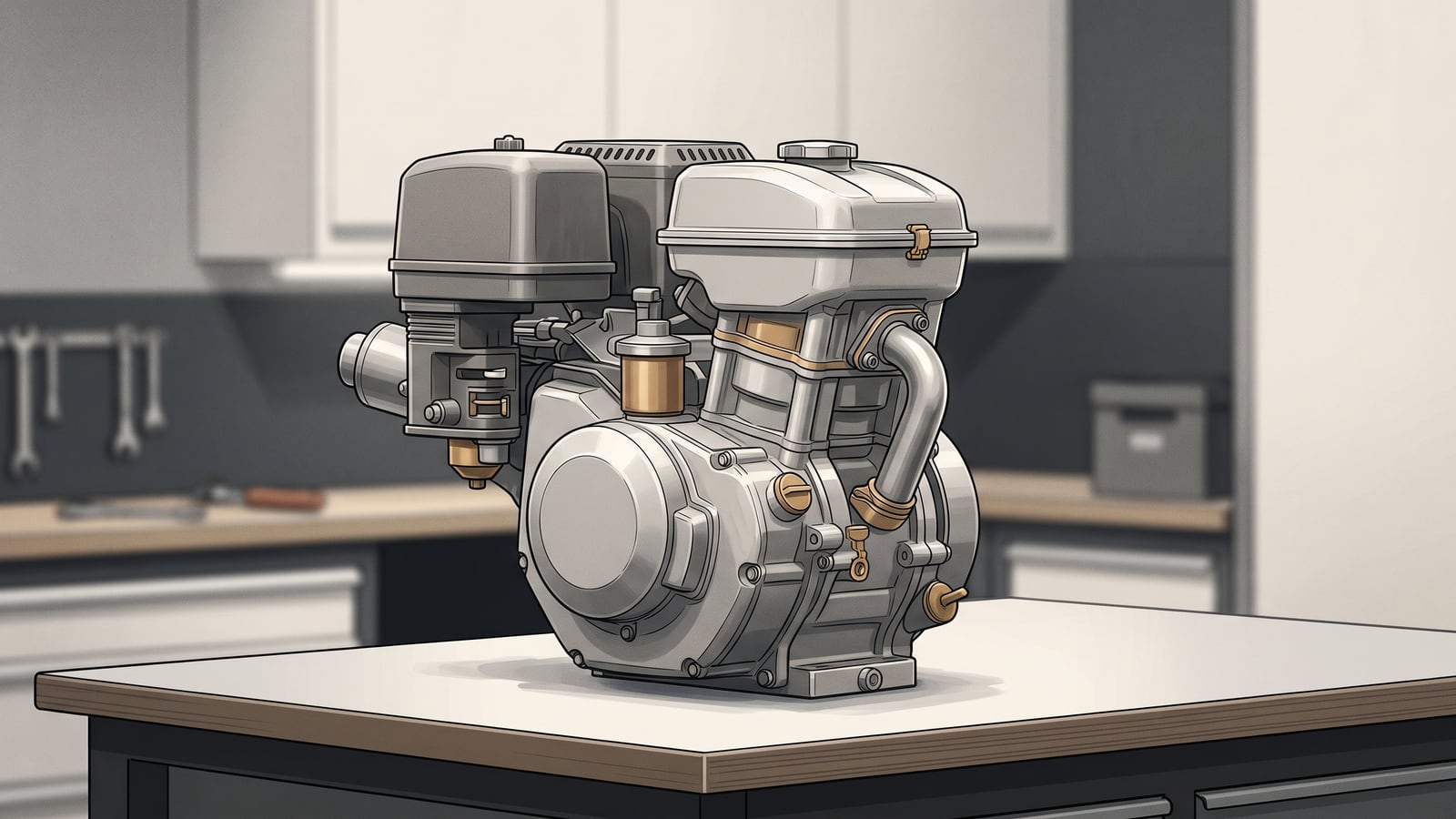
    Four-stroke kart engine maintenance: build the routine from the documents that control it

    The documents inspected for this article don't supply one universal maintenance calendar for every four-stroke kart engine. Build the routine from the exact manufacturer documents, check every task against the current class and event rules, and keep a compact log that shows what was checked, what was found, and what still needs authorization.

  3. Updated August 16, 202612 min read

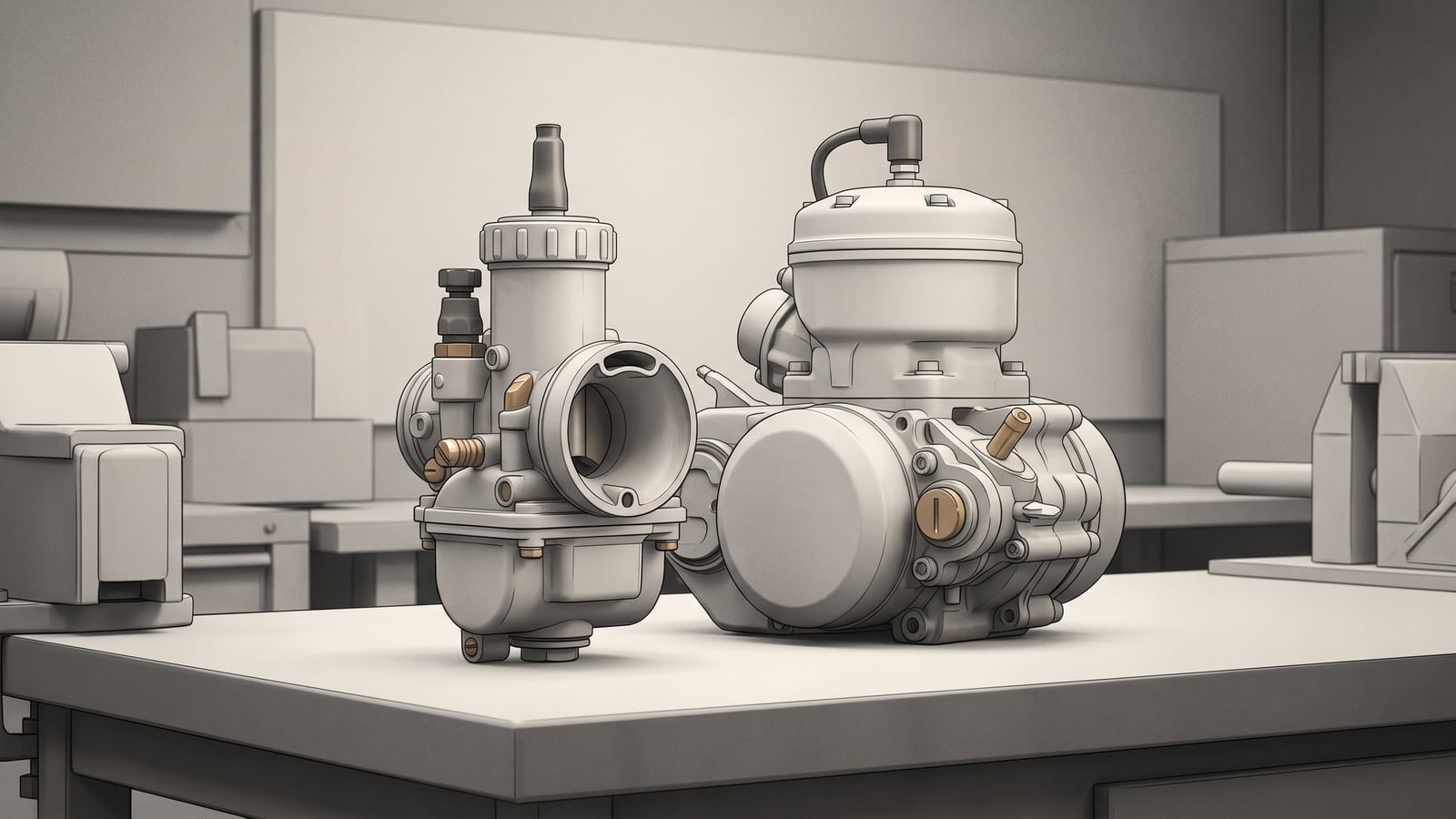
    Kart Carburetor Care: Find a Supported Baseline Without Borrowing Settings

    An identity-first method for documenting a kart carburetor baseline: read the markings, match them to current manufacturer documentation, record a float-system or documentation-only diaphragm path, and confirm competition permission separately. Includes a copyable baseline record and a worked hypothetical case.

Prepare the handover

Pack for the track or put the kart away without losing the next required task.

  1. Updated August 14, 20268 min read

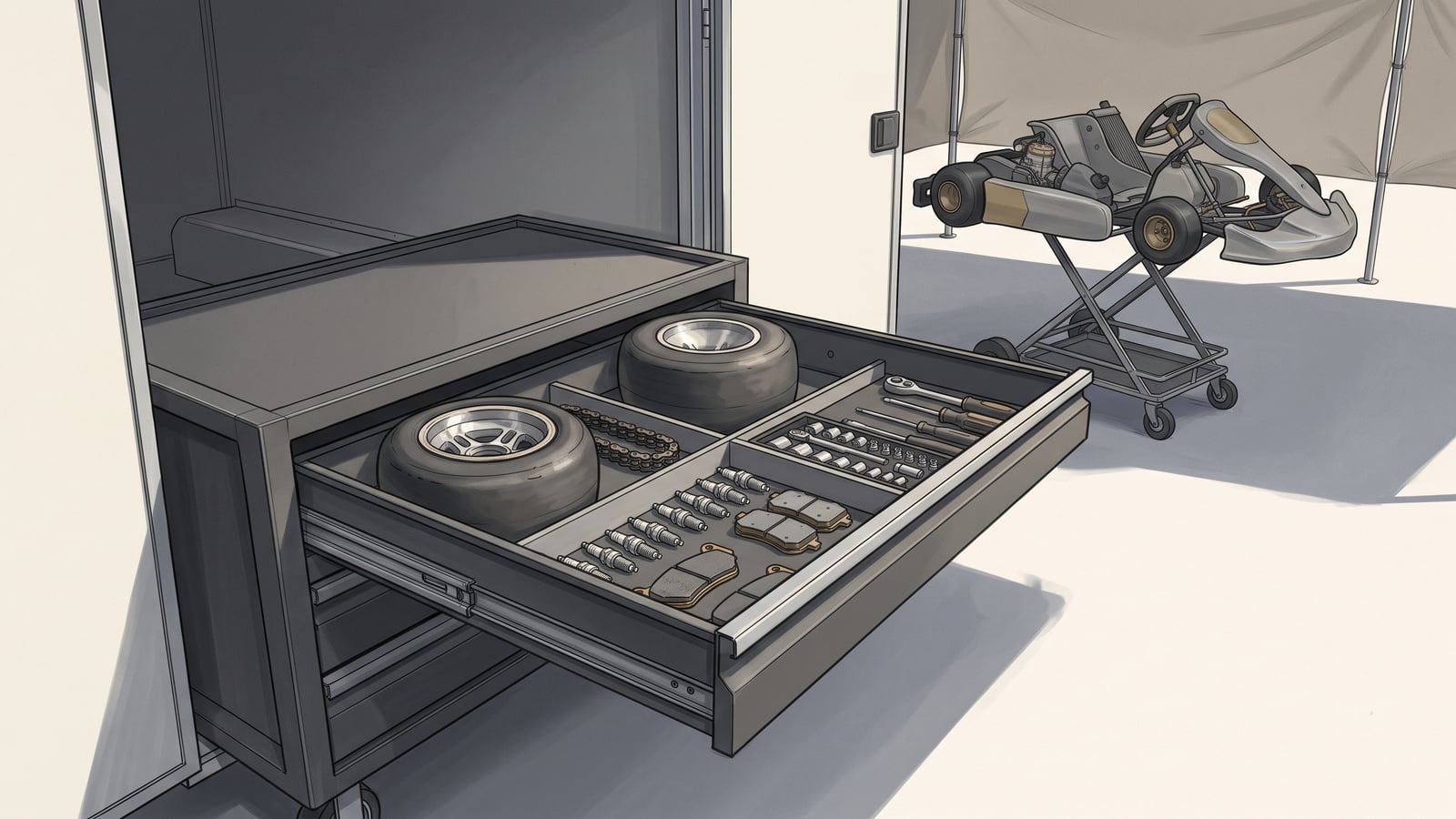
    Trackside spares and tools: carry now, add for a defined job, or defer

    Owner-drivers preparing a trackside kit can sort each prospective item into three categories using known need, current documentation, compatibility and permission, expected conditions, and reader-supplied cost and storage burden. Includes worked hypothetical situations and compact manufacturer and competition examples.

  2. Updated August 23, 202614 min read

    Kart Winter Storage: Create a Condition Handover, Not a Readiness Claim

    Winter storage isn't just parking a kart. This guide walks through identifying the fitted chassis, engine, battery, charger, and tyres, cleaning and recording visible condition, following the correct manufacturer manual for each part, and handing the kart over with any open faults still visible — plus a copyable storage checklist.