Rental karting vs owner karting: which is right for you
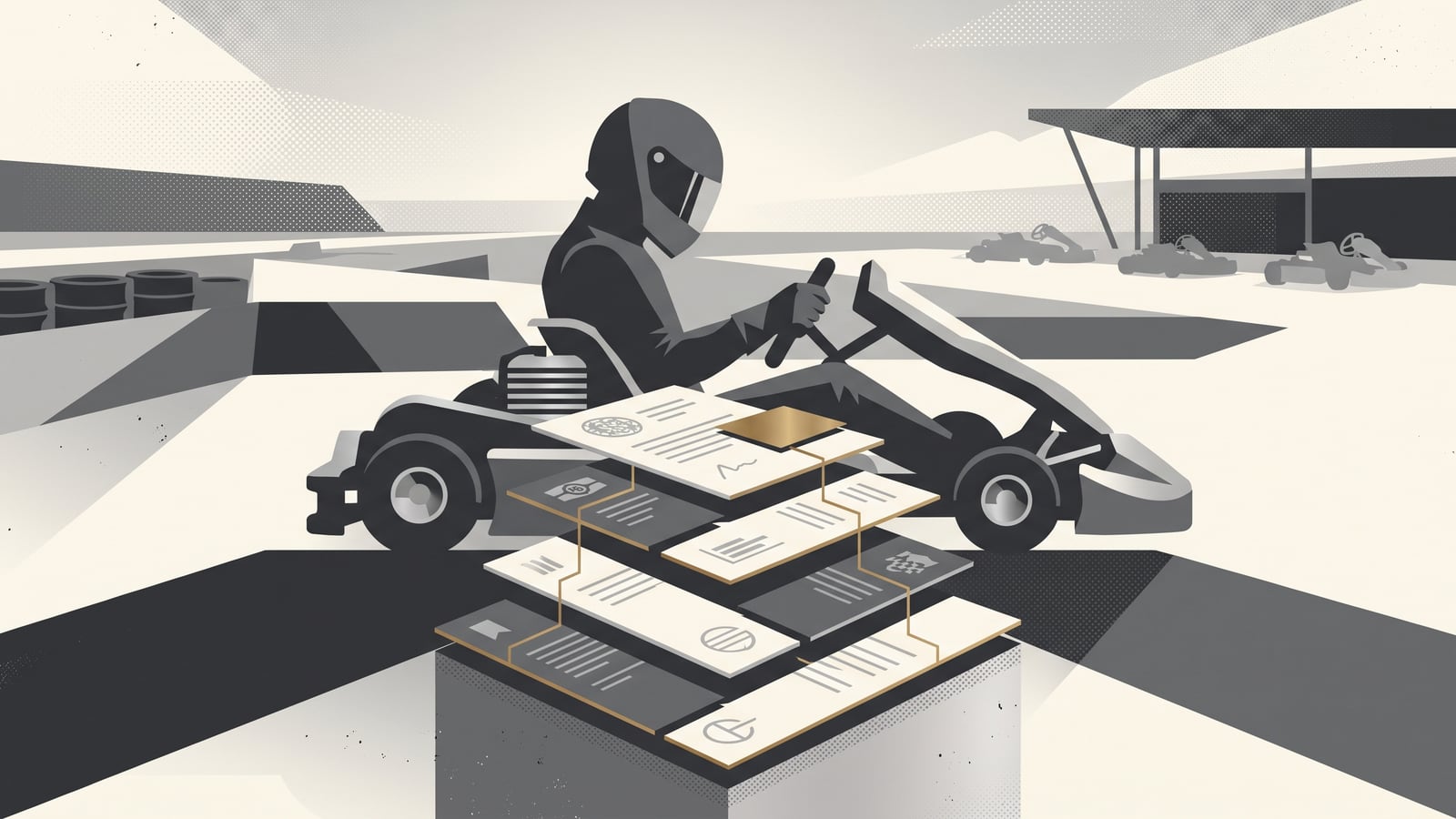
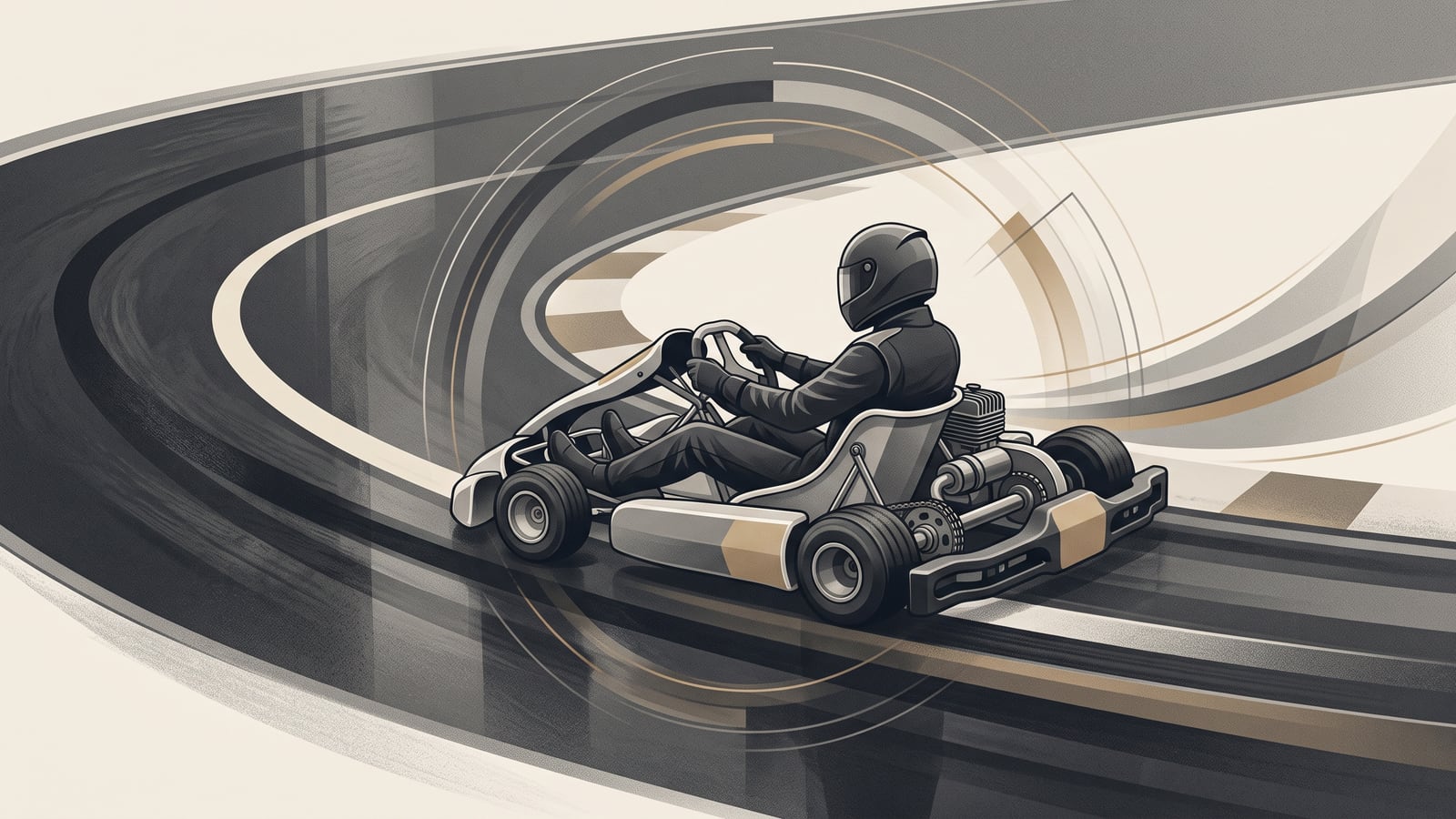
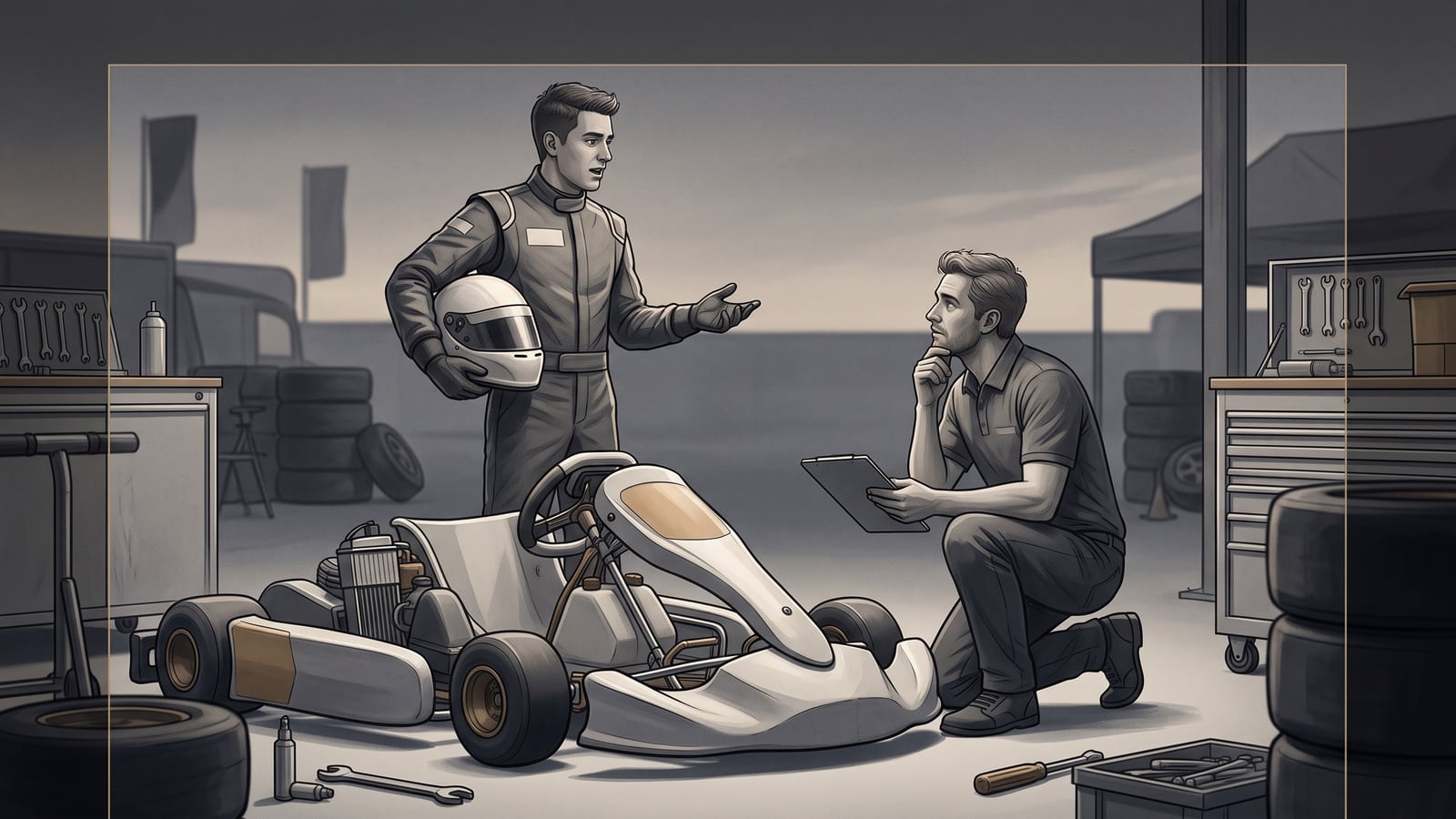
Choose a karting route by the experience you want, the work you can support, and the strength of your local racing—not by whether ownership appears more serious.
Where nearly every racing career begins. Guides on classes, chassis setup, driving technique, and making the most of your season — from rental karts to national championships.
How to enter the sport: rental leagues, classes, clubs, first seasons, and realistic costs.
Racecraft and technique: racing lines, braking, overtaking, and structured practice.
Karting terms defined, from apex to rubbered-in.
How a kart chassis creates grip, and how to tune it: pressures, widths, axles, and seat position.
How race weekends work: formats, preparation, fitness, and championship planning.
Flags, scrutineering, safety equipment standards, and how the rulebooks are organized.
Helmets, suits, protection, tools, and what is actually worth buying at each level.
Track guides, corner notes, and venue knowledge from real laps.
Inspection schedules, engine care, and the workshop procedures that keep a kart reliable.
Choose a karting route by the experience you want, the work you can support, and the strength of your local racing—not by whether ownership appears more serious.
A green morning and a rubbered afternoon are almost two different tracks. Read grip through the kart's rotation and braking, move your reference points to match, and treat a faster or slower lap as the surface moving rather than proof you got quicker or lost your touch.
Entry, apex, and exit aren't three separate moves but one connected sequence: finish braking to a repeatable turn-in speed, choose an apex for what comes next, and unwind the steering on exit — then fix a bad exit at the entry.
The same kart can be made to understeer or oversteer by how it is driven. Run a driver-first checklist and change one input at a time before changing the chassis, and hand off to the setup guides only once you have ruled yourself out.
The wet takes away most of the grip you rely on, so the fast approach is a different line off the polished dry racing line, smoother and earlier inputs, and patience. Setup and wet-tyre choices are class- and condition-specific, and wet declarations belong to the event.